
The Silent Crisis: Suicide Among Healthcare Professionals Throughout History
Healthcare professionals spend their lives saving others, yet many silently struggle with depression, burnout, and emotional distress. Suicide among doctors, nurses, dentists, pharmacists, and other healthcare workers has been documented for more than a century, highlighting the emotional cost of caring for others while often neglecting oneself.
A Crisis Hidden in History
The psychological burden of medicine has existed for centuries. During the plague outbreaks, the 1918 influenza pandemic, the HIV/AIDS epidemic, and more recently COVID-19, healthcare professionals worked under extreme stress, witnessing death on an unprecedented scale while often receiving little emotional support.
Historically, mental illness among doctors was rarely discussed. Fear of being perceived as weak or incompetent meant that many suffered in silence.
Healthcare Professionals We Lost
Several well-known healthcare professionals have brought international attention to this issue.

Dr. Lorna Breen (1970–2020)
Medical Director of the Emergency Department at NewYork-Presbyterian Allen Hospital, died by suicide after leading the response to the first wave of COVID-19 in New York City. Her death inspired the Dr. Lorna Breen Health Care Provider Protection Act in the United States, promoting mental health support for healthcare workers.
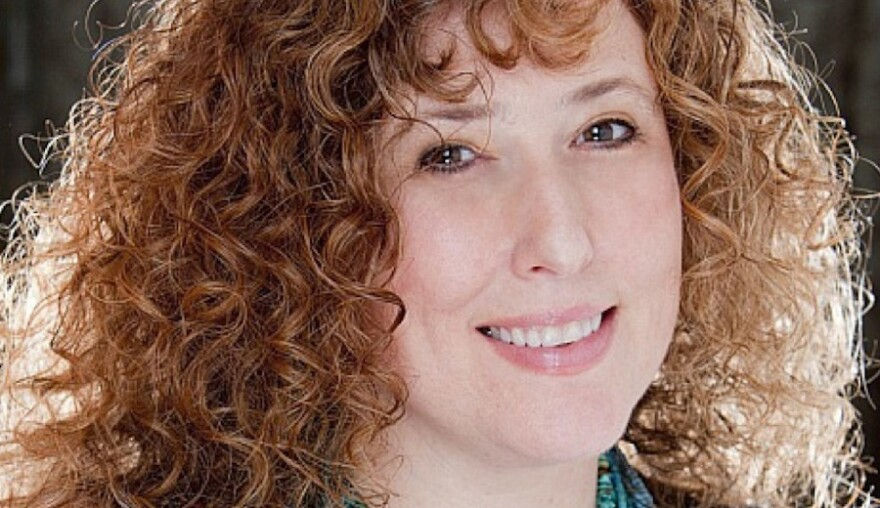
Dr. Pamela Wible, although not a suicide victim herself, has become one of the world’s leading advocates for physician suicide prevention after documenting the stories of more than 1,300 physicians who died by suicide and campaigning for mental health reform.
While many healthcare professionals who die by suicide remain unknown outside their families and workplaces, each loss represents a tragedy that affects colleagues, patients, and communities.
The Numbers Behind the Crisis
Research consistently shows that healthcare professionals are at greater risk of suicide than many other professions.
More than 700,000 people die by suicide every year worldwide (World Health Organization).
In the United States, an estimated 300–400 physicians die by suicide annually, approximately one doctor every day.
Female physicians have a 76% higher risk of suicide than women in the general population.
Female nurses have nearly twice the suicide risk of women outside the profession.
Approximately 27% of resident physicians experience depression, while burnout affects up to 50% of physicians in many healthcare systems.
During the COVID-19 pandemic, studies reported burnout rates exceeding 50% among healthcare workers in several countries.
Why Are Healthcare Professionals at Risk?
Several factors contribute to this increased risk:
* Long working hours and chronic burnout.
* Constant exposure to trauma, death, and suffering.
* Perfectionism and fear of making mistakes.
* Stigma surrounding mental illness.
* Fear that seeking help could affect licensing or career progression.
* Easy access to medications and medical knowledge.
These pressures often accumulate over years, making early recognition and support essential.
Preventing Future Tragedies
Reducing suicide among healthcare professionals requires both cultural and systemic change. Healthcare organizations should provide confidential mental health services, peer-support programs, regular wellbeing screening, and manageable workloads. Medical licensing bodies should remove unnecessary barriers that discourage clinicians from seeking treatment.
Most importantly, the culture of medicine must change. Asking for help should be viewed as a sign of strength and professionalism—not weakness.
Conclusion
Behind every healthcare professional is a human being who experiences grief, fear, exhaustion, and emotional pain. Remembering those we have lost, such as Dr. Lorna Breen and the many unnamed clinicians who struggled in silence, reminds us that caring for healthcare professionals is essential to caring for patients.
Every life saved includes the lives of those who provide the care.


Comments